Shape & measurement
Compare the silhouette and finished dimensions with the approved reference, using an agreed method of measurement.
Evaluate the way a leather product looks, feels and works, alongside the testing and documentation relevant to your materials and destination market.
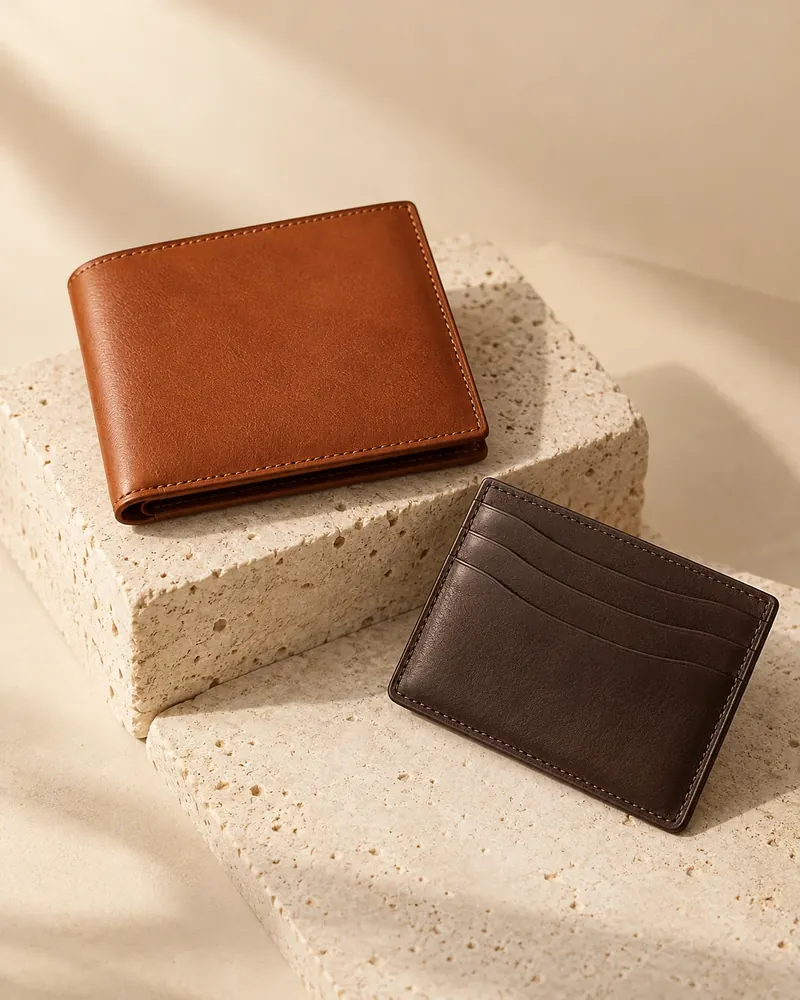
Compare the silhouette and finished dimensions with the approved reference, using an agreed method of measurement.
Review seams, stitching, lining, edges and attachments. Record the details that affect the product’s intended use.
Check closures, adjustment, pocket access and the carrying experience alongside their visual appearance.
Define relevant material or product testing separately from a visual inspection, and request evidence with the right scope.
Farhan reports that finished leather is tested for chromium VI and azo dyes, and that an EU REACH declaration is available. Ask the team for the relevant records and their applicability to your materials and order.
A report should be understood in context: the material or sample it covers, the date, the test scope and the requirements of your buying programme. A visual sample review answers a different question from chemical or performance testing.
Bring your brand’s testing requirements into the initial brief. Any additional testing, inspections and approval criteria should be agreed for the actual project.
Explore supplier documentationYes. Include the quality criteria, inspection expectations and required tests in the brief so the team can review them before quotation and production.
No. A SMETA audit concerns the facility assessment. Product construction, material evidence and any required testing must be considered separately.
Use a clearly identified sample and specification. Record dimensions, materials, hardware, branding and approved changes so both teams share the same reference.
Share the product, the quantities and the details that matter to your brand. A useful conversation starts there.
Talk about your collection